Intermodal Containers
Add a review FollowOverview
-
Sectors Occupational Therapy
-
Posted Jobs 0
-
Viewed 1
Company Description
Guide To Shipping Container Leasing: The Intermediate Guide In Shipping Container Leasing
The Growing Trend of Shipping Container Leasing: A Comprehensive Guide
In recent years, Shipping Container Modifications container leasing has actually become a viable and sustainable option for organizations and individuals alike. Offered its functionality and cost-effectiveness, many sectors are tapping into the advantages of leasing containers instead of buying them outright. This post explores the ins and outs of shipping container leasing, its advantages, key factors to consider, and answers to some typical questions relating to the practice.
Understanding Shipping Container Leasing
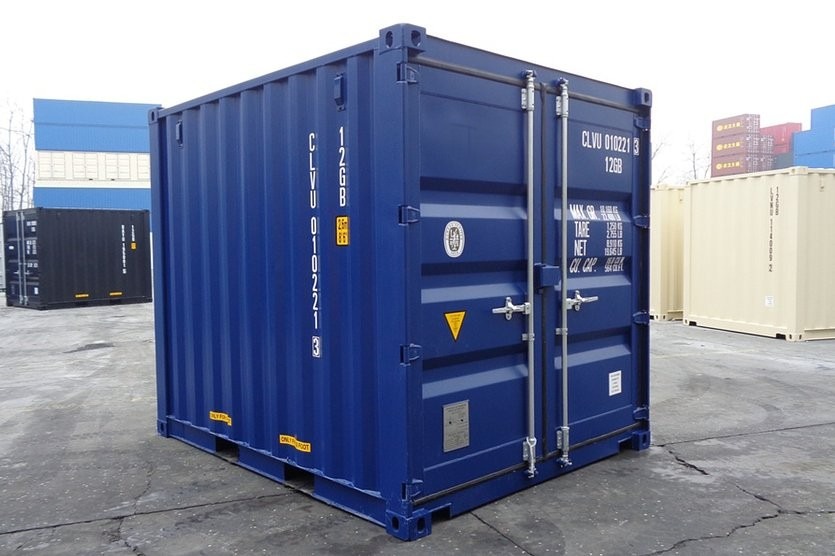
Rent Shipping Container container leasing includes leasing a shipping container for an established period. This setup is convenient for companies that need temporary storage solutions or that engage in logistics and transportation without the requirement to own containers outright.
Why Lease Shipping Containers?
The appeal of leasing shipping containers can be credited to a number of aspects, each offering distinct advantages:
-
Cost Efficiency: Leasing frequently requires less in advance capital than buying containers outright. This can release up money for other critical locations in a business.
-
Versatility: With leasing agreements, business can select the period of the lease based upon their functional requirements, enabling them to adjust to changing scenarios quickly.
-
No Maintenance Concerns: When leasing, the owner– normally the leasing company– bears the duty of upkeep, repairs, and inspections, lowering the concern on the lessee.
-
Variety of Options: Lease agreements often provide access to numerous container types, sizes, and conditions, dealing with particular requirements.
-
Scalability: As organizations grow, they can rapidly increase or reduce their number of containers based upon present demands, making it simpler to scale operations.
Secret Considerations Before Leasing
No matter the benefits, several factors must be carefully weighed before entering a shipping container lease agreement:
-
Duration of Lease: Understand the terms and length alternatives readily available. Is it a short-term lease, or is there an option for long-term leasing?
-
Container Condition: Inspect the container condition before signing any agreement to guarantee it fulfills the intended function– be it for storage, transport, or living areas.
-
Cost Structure: Look for covert costs– such as delivery charges, or penalty fees for damages. Understand what is included in the lease agreement.
-
Transportation Logistics: If the container needs to be transferred, make sure that the leasing business can accommodate delivery and pick-up logistics.
-
Insurance coverage Options: Check what insurance coverage covers the rented containers in case of damage or theft.
Shipping Container Leasing Options
The leasing market uses a variety of container types and leasing agreements to match various needs. The table listed below supplies a peek into common kinds of leasing choices:
| Leasing Type | Description | Ideal For |
|---|---|---|
| Short-Term Leasing | Leasings typically enduring weeks to months. | Seasonal services or events. |
| Long-Term Leasing | Usually spans numerous months to years. | Permanent installations or services with constant shipping needs. |
| Dry Storage Leasing | Standard containers used for basic storage. | Companies needing dry Cargo Storage Containers. |
| Refrigerated Leasing | Containers geared up with refrigeration. | Disposable goods or temperature-sensitive materials. |
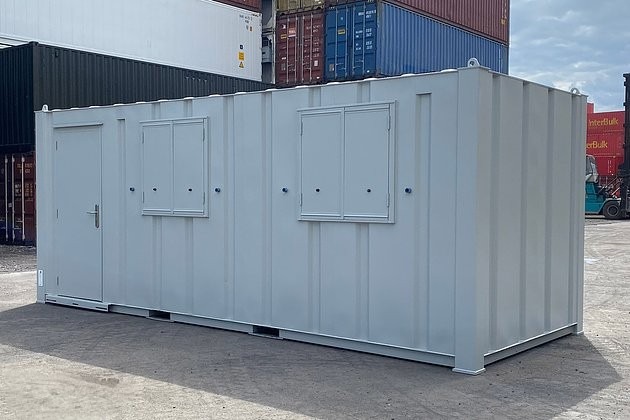
| Modified Containers | Containers adjusted for particular usage needs. | Pop-up stores, mobile offices, and so on. |
Benefits of Leasing vs. Buying
Below is a detailed comparison of the advantages of leasing shipping containers versus buying them outright:
| Category | Leasing | Buying |
|---|---|---|
| Upfront Cost | Lower preliminary financial investment. | High upfront costs. |
| Upkeep | Less obligation; business manages repairs. | Lessee is accountable for upkeep. |
| Versatility | Easy modification based on need. | Challenging to offer or modify. |
| Depreciation | No effect on balance sheets. | Loss of value with time. |
| Range | Access to different choices per requirement. | Restricted to what is acquired. |
Frequently Asked Questions (FAQ)
-
How do I find a reliable shipping container leasing company?
- Check online evaluations, compare leasing rates, and inquire about client service to evaluate the reputation of various business.
-
What types of containers can be rented?
- Shipping containers can vary extensively, consisting of basic dry vans, refrigerated containers, and even modified containers for specialized requirements.
-
What takes place at the end of a lease duration?
- At the end of the lease, the container is normally gone back to the leasing business. Some companies might use a purchase alternative if you want to keep it.
-
Exist any surprise expenses in leasing containers?
- It’s essential to check out the leasing agreement thoroughly to identify any surprise expenses associated with damage, cleaning, or early termination fees.
-
Can I customize the container throughout the lease?
- Typically, modifications need approval from the leasing business, as unauthorized changes can violate lease terms.
-
Is insurance coverage required for rented containers?
- Lots of leasing companies require insurance coverage for rented containers. It’s suggested to inspect the specific requirements before leasing.
Leasing shipping containers provides a useful solution for organizations and people requiring flexible and cost-effective storage or transportation choices. With a market full of variety and competitive benefits, companies can make informed decisions tailored to their specific requirements. By understanding the options available and carefully thinking about elements before getting in a leasing agreement, organizations can best place themselves for success without the financial concern of ownership.